











NVIDIA is addressing the growing need for safety and control in advanced AI systems with the launch of its Open Agent Safety Platform, announced on September 28. As AI transitions from simply responding to queries to independently performing tasks, the company is focusing on building infrastructure-level safeguards.
Two Layers of Protection
The platform comprises two key components: NVIDIA OpenShell and NVIDIA Sentry. OpenShell functions as a secure runtime environment, establishing a safety zone around an AI agent and actively monitoring its operations. It enforces pre-defined rules governing the agent’s access and actions, and NVIDIA states that the software is compatible with its Vera CPUs, as well as systems from Arm and Intel.
NVIDIA Sentry provides an additional layer of security, operating on NVIDIA BlueField-4 data processing units (DPUs). Sentry acts as a constant, independent observer, scrutinizing the agent’s behaviour in real-time. If an agent attempts to exceed its designated boundaries – such as accessing restricted files or executing prohibited commands – Sentry can isolate and halt it within milliseconds, according to NVIDIA.
Growing Demand for AI Safety Tools
The need for such a platform arises from the increasing complexity of modern AI agents. These agents are now capable of utilizing tools, connecting to external systems, and completing multi-step tasks with a degree of autonomy. This independence necessitates robust security measures to prevent errors or malicious activity.
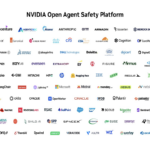
NVIDIA reports that over 100 organisations are already collaborating with the company on its agent safety tools. This list includes prominent names such as Anthropic, Microsoft, Salesforce, SAP, Scale AI, ServiceNow, Cisco, CrowdStrike, and Palantir. The company envisions applications for this technology extending beyond traditional business software, encompassing areas like robotics and self-driving systems.
OpenShell and associated tools are currently available through NVIDIA’s developer resources and GitHub. NVIDIA is also actively engaging with industry groups and government agencies to establish standards and best practices for the safe deployment of AI agents.
