










 Summary:
-
Laptops are shifting toward AI-assisted productivity features.
-
Lightweight designs dominate consumer preference.
-
Battery life improvements are more visible than raw performance jumps.
-
Integrated AI tools are enhancing work and study workflows.
-
Value-for-money models are attracting hybrid workers and students.
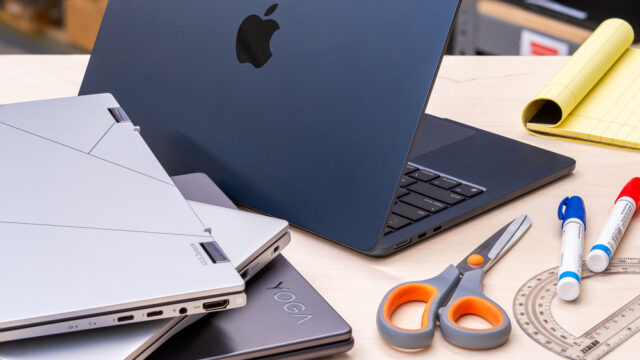
Design and Portability: Laptop buyers are clearly prioritizing portability. Thin-and-light models with durable builds are in demand, especially among professionals and students who frequently move between workspaces.
AI-Driven Productivity: Built-in AI features are assisting with note summarization, background noise removal during calls, and intelligent power management. These enhancements improve daily efficiency without requiring high-end hardware.
Performance Balance: Instead of chasing peak benchmark scores, manufacturers are optimizing performance for sustained workloads. Everyday tasks such as document editing, browsing, and video conferencing run more smoothly with lower power consumption.
Battery Life Improvements: Battery endurance has become a key differentiator. Many laptops now comfortably last a full workday, reducing dependency on chargers and making them more practical for travel and remote work.
Software and Ecosystem: Seamless integration with cloud services and cross-device workflows is becoming essential. Users benefit from synchronized files, notifications, and collaboration tools across devices.
Verdict: Laptops in 2026 are less about raw power and more about smart productivity, making them ideal for modern work and learning environments.